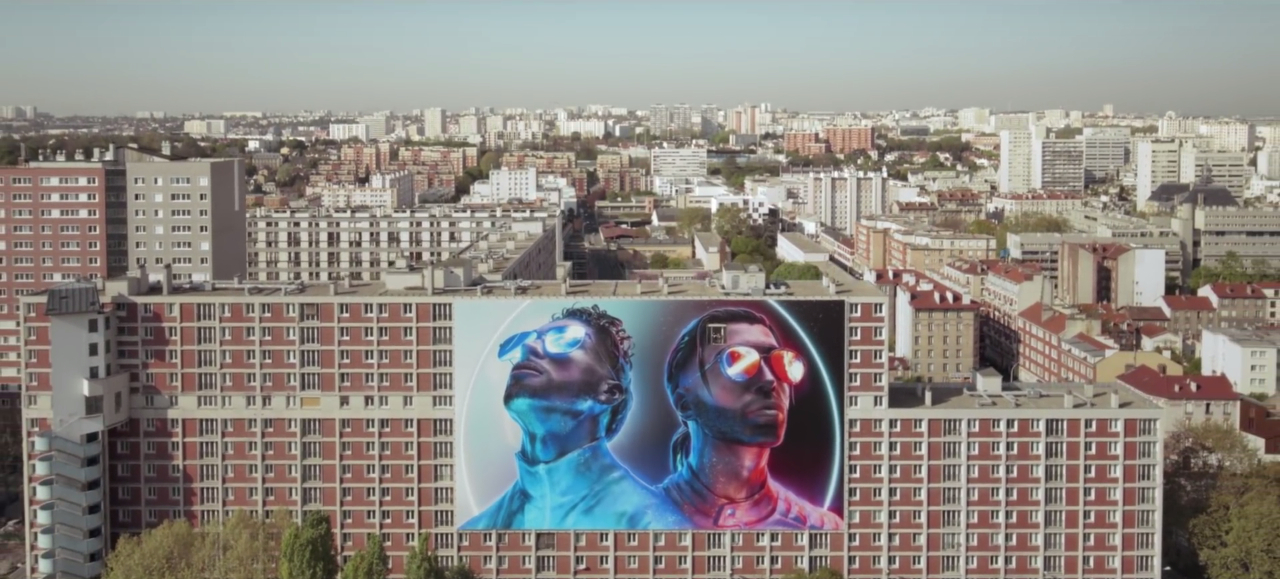
Albanian rap songs are hugely popular in Albania, Kosova and Macedonia, shaping mainstream ideas of masculinity. But will a new generation of rappers pose a challenge to these norms?
Albanian rap songs are hugely popular in Albania, Kosova and Macedonia, shaping mainstream ideas of masculinity. But will a new generation of rappers pose a challenge to these norms?
Nineteen-year-old Elona Kastrati became internet-famous overnight, after she hung sanitary pads covered in feminist statements in a German city centre on International Women’s Day. Then she moved to her parents’ homeland – Kosovo.
The Be a Man project by the Kosovan NGO Peer Educators Network uses workshops and art to provide young Kosovans with an alternative understanding of masculinity.
Haveit, a Kosovan art collective consisting of four young women, use their performances to explore gender and social issues.
The 2015 documentary The Unidentified addresses the unexposed massacres in the Peja area, and the still-unidentified corpses of Albanian victims, which were transported to Serbia.
The Nobel Prize winner’s exploration, from afar, of Albanian women’s lives layers upon a history of female stories, and story-telling, and a resistance that expresses itself in a kind of fierce joy.
The 2014 documentary Silent Scream addresses the issue of wartime rape during the Bosnian war – and the diverse difficulties survivors continue to face today.
Two recent milestones in Kosovo – an official monument recognising women’s suffering during the Kosovo War, and an art installation commemorating wartime rape – shows that change may be coming to a topic long taboo in the country.
Haki Stërmilli 1936 novel If I Were a Boy portrays the contemporary problems of Albanian society that stem from a misogynistic mindset, and deserves to be (re-)read today.
Isa Qosja’s latest film ‘Three Windows and a Hanging’ sensitively explores the taboo subject of the aftermath of war rape in Kosovo